Blog Feed

My First Blog Post – Who I am

Junior at UNC – Chapel Hill

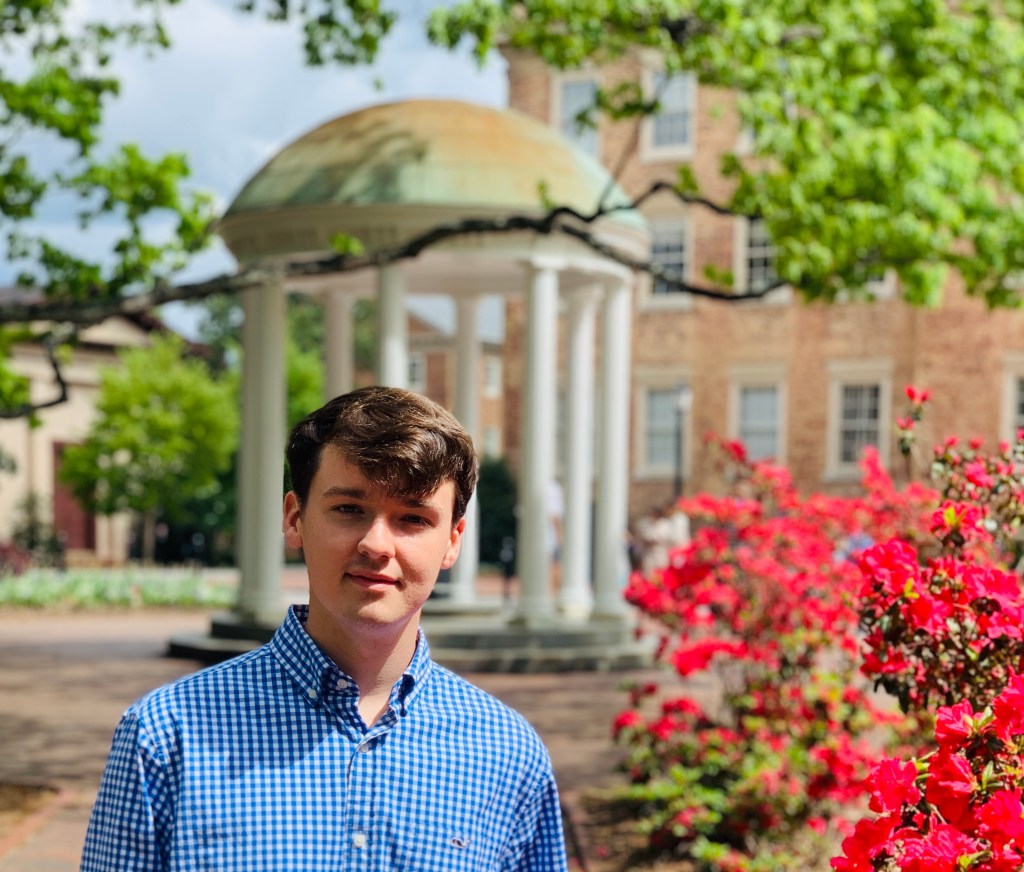
My name is Brandon Cashwell and I am from Raleigh, NC. I am in my third year at UNC – Chapel Hill. I am studying Quantitative Biology and will have minors Spanish for the Medical Profession and Chemistry. I hope to attend Pharmacy School after completing my undergraduate studies. I currently work at a local pharmacy in Chapel Hill to help get a better understanding of community pharmacy and how it functions.

Be yourself; Everyone else is already taken.

— Oscar Wilde.

This is the first post on my new blog. I’m just getting this new blog going, so stay tuned for more. Subscribe below to get notified when I post new updates.

Monoclonal Antibodies

Being able to defend ourselves from disease comes down to our ability to produce the necessary antibodies and for this blogpost we will be focused on a specific antibody called alefacept (Amevive). This antibody is specifically called a monoclonal antibody showing it comes specifically come from one type of B lymphocyte. With that, they are able to bind to a specific epitope and can be very effective in targeting a specific antigen. Even in todays world with the novel coronavirus, we need to find ways to effectively target organism that induce disease in the human population. The way in which we can isolate these types of antibodies will be very helpful in developing appropriate drugs that can eliminate the effects of an organism.

Amevive is a drug that is intended to help adults who may suffer from chronic plaque psoriasis. These patients are usually candidates for phototherapy. The drug itself is an immunosuppressive protein that has a CD2 binding protein which binds to the Fc portion of the human IgG1. This drug specifically binds to CD2 and inhibit LFA-3/CD2 interaction. In my opinion, this drug can be effective in aiding patients with psoriasis and this can be seen with its ability to promote the right antibodies that are necessary to fight off the disease. Clinical studies that have been conducted with the drug have been able to show this and thus show how the specificity of the antibody can help with removing the harmful organisms.

All side effects of the antibody are that:

  • The drug can increase the risk of malignancies
  • Increase the risk of infection (and chronic one as well)
  • Cause hypersensitive reactions
  • Cause liver injury
  • Nausea, anorexia, fatigue, vomiting, abdominal pain, jaundice, and easy bruising
  • In relation to the purpose of the drug is that it can make the drug much more difficult to take since it has a lot of problems associated with re agitating chronic infections

With this drug, it does have the possibility of making you more susceptible to other diseases because of its ability to affect latent disease which can be seen with various chronic diseases. We also know that form the drug that it can create many problems with the liver and thus can make you more susceptible to fatty infiltration of the liver, decomposition of cirrhosis with liver failure, and acute liver failure. This drug does impact the immune response because of it being an immunosuppressant. This would cause the immune system to not effectively respond against foreign pathogens and thus would impact the acquired and innate response. With everything that is mentioned with regards to this drug, it is still an effective drug against severe psoriases and thus can be very helpful to many people. Buy taking the drug in safe manner in my opinion will allow for less severe side effects caused by the drug.

The Best Response to Covid-19 isn’t Governmental Regulation: it’s Antibodies

It is almost a month into the stay at home orders set in place by local and national governments forcing people to stay inside to limit the spread of the coronavirus. It is crazy to see how things have begun to settle down with everyone doing their best to limit face to face interaction with others, but we are still seeing many not abide to these orders. Some are going outside into large public places and are potential carriers for the virus, ultimately putting many other people at risk of contracting the disease. This not only puts your friends at risk of getting the disease, but also our healthcare professionals at the forefront who are day-in and day-out having to help many people overcome this virus. But, the focus of this article will be on the real, biological responders to the virus. We are seeing so much on the news about what hospitals and researchers are doing to stop the spread of the virus, but what are our antibodies doing to stop it. Lets look.

In an article titled, “Immune responses in COVID-19 and potential vaccines: Lessons learned from SARS and MERS epidemic“, researchers look to compare previous forms of coronaviruses and epidemics that compare to the novel coronavirus we are currently experiencing. The article states, “a limited serology details of SARS-CoV-2 was reported. In a preliminary study, one patient showed peak specific IgM at day 9 after disease onset and the switching to IgG by week 2.25”. With only the IgM antibody, this would represent someone who has recently started fighting off the infection. With only the IgG antibody, this would mean someone has been able to fight off the virus and have the necessary antibodies to fight it off (most likely from a vaccine). If we are able to find someone who is positive for IgG, this would allow researchers to find the correct antibodies to fight off the disease and thus create the right vaccination. To have both mean that they are in the process of fighting off the disease and are beginning to find antibodies that will completely rid the disease. As seen in this article and with this disease, we can see that there is a long onset for primary responders and have difficulty converting to IgG quickly. In my opinion, this will make the vaccine for the virus more difficult to make because researchers have to wait for time to pass before they can fully understand what the antibody necessary is.

From another article titled, “Antibody responses to SARS-CoV-2 in patients of novel coronavirus disease 2019“, researchers are looking at how our bodes are responding to the coronavirus and they specifically look at those who contracted the disease in 2019. From their results, they found that “the acute antibody response in SARS-CoV-2 infection patient is very similar to many other acute viral infections; the serological testing can be a powerful
approach in achieving timely diagnosis; and the total antibody is more sensitive than IgM
and IgG for detecting SARS-CoV-2 infection”. From this, they were also able to find that antibody tests were significant with the addition of RNA tests. After reading this article, it is very important to realize the ability to look at these tests to determine how our bodies are reacting to this virus. As with this report they show that just looking at Ab tests for antibody response allowed for the best detection of the coronavirus, but in my opinion, I believe that further research will show that presence of IgM and IgG will make detection of the virus much easier as well. But as seen in the previous article mentioned, with these antibodies taking longer to appear in the body, this could be a potential reason for the Ab tests to be more sensitive in detecting the virus since it would not need as much time to appear in the system.

Is it a plane? Is it a bird? NO, its Dendritic Cells coming to save us!

There is a lot going on in the world today. To not be writing about the coronavirus would seem crazy since every aspect of our lives have been impacted by COVID-19. But, that does not mean that the severity of many other diseases and illnesses should not be the focus for many doctors and scientists. There are still many people dealing with HIV and cancer and the presence of COVID-19 for them only makes their situation much worse. For any person that is considered as immunocompromised, the likelihood of facing severe symptoms from the coronavirus or from any illness they are currently fighting will only lead to life or death situations for them. With the presence of dendritic cells and the way we can incorporate them into vaccines or other therapy treatments may help in finding cures to illnesses that have been so difficult to treat.

From an article titled, “Dendritic Cell Vaccines for Cancer Immunotherapy: The Role of Human Conventional Type 1 Dendritic Cells“, the authors look to see how conventional type 1 Dendritic Cells play a role in cancer immunotherapy. From their conclusions they were able to find that the use of dendritic cells can lead to very promising vaccines that can be used with other therapies used to treat cancer. The vaccines would work to allow for antigen targeting so that dendritic cells are enhanced in terms of function. Researchers state, “ex vivo differentiation from CD34+ hematopoietic progenitors and from iPSCs, or the direct reprogramming of somatic cells, followed by antigen loading and administration; direct antigen targeting in endogenous cDC1; and strategies aiming to enhance their frequency and functions in tumors”. From this, I believe that this could be a great way to treat tumor cells since this would allow for the dendritic cells to be more precise in their attack of the cancer. As it was also stated in the article, this is only the beginning in terms of research of DC cells, but in my opinion, there seems to be a lot of promise that can lead to more results that shows the destruction of these cancerous cells.

Another article focuses more on the response of dendritic cells toward HIV. In the article, “Dendritic Cells, the Double Agent in the War Against HIV-1“, researchers look to study what is being exactly done about this. From their concluding remarks, they find that more research needs to be done with regards to how DC’s function and how they would specifically target HIV. But, they do mention that this is one of the most promising types of molecule that could aid in developing in a vaccine. In my opinion, the focus, as mentioned in the article, should be on the ability for APC’s to present specific proteins of the HIV and allow this for much more efficient recognition and attack by DC. By doing this, it would allow for DC’s to fight the HIV and hopefully a vaccine that could be produced could allow for maturation of DC’s and change that intracellular pathway that HIV takes to avoid some key defense systems. Downsides with these types of treatments it that it seems that they would be quite expensive and present side effects that have not been determined yet. But from this, I believe that we will be able to fight off diseases caused by COVID-19 or other pathogens because we will have better knowledge of how dendritic cells function.

Covid-19 Pandemic: Staying at home with ice-cold Corona’s?

Funny Reddit Coronavirus Infection Jokes With 26 Racist Meme ...
As the TikTok says, “Its Corona Time”

These last few weeks have been quite crazy to be honest. The nature of this pandemic literally has the entire world on shutdown. The amount of effort that local and national governments have put into reducing the amount of interaction between people is astounding and will definitely be a story that I will be telling my kids about. Everything from eating out to the ways college classes are instructed has completely changed and literally impacts everyone (those infected and those who are not). I don’t know exactly when we will be getting back to “normal”, but what I do know is that this virus will change the way people will look at disease and how we can prevent such outbreaks in the future.

My personal experience with the covid-19 virus is quite crazy. For spring break this year, I was in El Salvador for a mission trip where a group of students and myself would have the chance to help those less fortunate have access to clean water. Towards the end of our trip we began to hear rumors of corona outbreaks increasing in the United States and other places in Europe. But, with no cases being reported in El Salvador at the time, we thought we would not run into any problems getting back to the states. We were wrong. Our flight with American was cancelled due to the lack of planes that were not allowed to leave the U.S and go to other countries. We had to stay in El Salvador for an extra day (which I wasn’t complaining about), but had to make numerous calls to eventually get a flight that would take us to Miami. During this time also, many of became sick with bacterial infections from food we ate and this created a lot of problems for us (A LOT of paperwork clearly outlining we did not have the corona virus so that we would be allowed back into the states).

By the time we got back into the states, I was honestly more worried about getting the virus from the airport or from interacting with those who were in my neighborhood. I have been on edge a little and really try to limit my interactions with those (no touching of other hands, no touching of my face, etc.). As far as classes go, it is going to be difficulty. The inability to interact with professors will hurt many students and this will impact our ability to go to graduate schools I believe. All I can do now is just stay in my house, complete my school work, watch Netflix, and hit up those corona’s (not really, I am not of age, but its the principal behind it: don’t be stupid and be in big public places).

Another Corona Blog? Nope. We talkin’ about STD’s

Taking a sexual education course in middle school was very awkward. I knew that the stuff we were learning was important, but it ultimately led to weird awkward glances at my friends. I wasn’t really determined at the time to take the information and really comprehend what was being talked about. Honestly, sexual education information didn’t really impact me until I got to college and I got serious about going to pharmacy school. Beginning to take various health and biology courses really opened my mind to the lasting impacts of diseases that can be transmitted between people through sexual intercourse. There are various STD’s that can be discussed, but one that has had the most attention lately is Syphilis and that is what this blog will focus upon.

In a review article called, “The Modern Epidemic of Syphilis“, researchers are beginning to see that incidences of syphilis are reaching levels that we have not seen in almost 20 years. There is an increasing prevalence of the disease among men (between 2014 and 2018, incidence among increased by a factor of 3) and there are reports that are showing high correlation between syphilis and the increased likelihood of contracting HIV. Also, it was seen that with the use of illicit drugs, the incidence of contracting syphilis increased by a factor of 6 which presents an alarming fact. As seen with the epidemiology of the disease, men are at high risk of contracting this disease and this can present problems for their sexual partners. Not only are they also susceptible to contracting the disease, but they have the possibility for contracting other diseases like HIV. The use of drugs are not helping the situation either due to the negative impacts it can have on the immune system and the ability to fight off the disease. With this, I can only think of the immense number of negative effects this can have on a college campus with students wanting to “try new things”. It is so important for us to find the right prevention measures because this disease could result into the same outbreak that was seen with HIV/AIDS. It takes smart and effective prevention by people when partaking in sexual encounters.

The article previously mentioned speaks on the need for a vaccine that can be used to decrease rates of syphilis in the populations. It also speaks on the anonymity of individual who use geo-social networking apps (we can think of Tinder and Bumble for example) and how these apps make it difficult for people to meet and actually get to know each other. This is very evident in college with the high usage of these types of apps by college students and how this presents many problems (physically and mentally) for young adults. In another article titled, “Recommendations for Providing Quality Sexually Transmitted Diseases Clinical Services, 2020“, concludes that specialized STD care should focus “on the delivery of timely, comprehensive, confidential, and culturally sensitive STD clinical services”. It also speaks on the need for on-site injectable antimicrobial (for gonorrhea and syphilis) and being able to take down correct medical history of patients. I think services like this should be more accessible for college students on campus. I believe that as a students walks into campus health there should be specific individuals that are available to talk to so that they can see the appropriate medical personnel. Also, being able to have more information on campus about these services is importnat. Students need to know that these services are easily accessible and that there are people that can help them if they know (or if they need to know) they are dealing with an STD.

The Battle Against SuperBug: A Story of Antibiotics and Resistance

The Superbug is a term that describes an organism that has become resistant to the use of antibiotics and thus presents many problems for people who are trying to overcome illness caused by these superbugs. Superbugs have been able to develop characteristics within their genome that allows for resistance against factors released from antibiotics thus allowing them to remain in their host and create serious disease and problems for how the body functions. How do these organisms end up developing resistance? Many fingers point to the overuse of antibiotics. With antibiotics not being properly prescribed by prescribers and not being taken correctly by patients, this allows certain bacteria to gain more exposure to the antibiotics and thus evolve to allow for resistance. This in all makes it more difficult to treat certain bacterial infections because of new antibiotics that need to be made to eradicate the bacteria from the body. We will now look at E. coli and how this bacteria has been an example of developing resistance.

From an article titled, “Drug-Resistant E. coli Bacteremia Transmitted by Fecal Microbiota Transplant“, authors found that through Fecal Microbiota Transplants (FMT), there was the transmission of drug-resistant E. Coli strains allowing for deaths that had occurred within patients who had undergone the therapy. This would present concerns for many people because FMT has been seen as a procedure that can aid with eliminating C. difficile and thus presenting further illnesses caused by this bacteria. As seen with the resistant strain of E. coli, it shows that within the stool of the donor there is the possibility of transmitting resistant strains of bacteria that can lead to further illness, especially in those undergoing FMT. It also shows that coming into contact with stool in other settings as well can possibly lead to transmission of bacteria and shows how important it is to take precautionary measures when coming into contact with stool from any source. This is why it is so important to be continuously washing your hands and trying to not make direct contact with people. With regards to stool, I think of our sewage systems and the possibility of this coming into contact with our water supplies. The tragedy that would emerge from contamination of fecal matter with our water would be devastating and allow for further complications since strains of resistant bacteria can now have an easier manner of entering our bodies.

The idea of alerting the public with regards to antibiotic resistance and promoting change in how we go about using antibiotics has been an interest for some time now. From an article titled, “Characteristics of a Nationwide Voluntary Antibiotic Resistance Awareness Campaign in India; Future Paths and Pointers for Resource Limited Settings/Low and Middle Income Countries“, authors describe how setting up a campaign in India can be revolutionary for many places in the world, especially areas in which the access to medical resources is limited and can be thus challenging to prevent spread of antibiotic resistant bacteria. In their conclusion, they state that lectures seem to engage with audiences on a more personal level and can have a more lasting impact than visuals. But, they also focus on the importance of radio stations. This honestly blew my mind because for me it is rare to listen to radio stations on a regular basis, but this could be much different in other parts of the world. Especially for smaller communities, radio stations may hold some influence and being able to speak to community members about issues relating to antibiotic resistance can be quite impactful. So, as superbug continues to embark on a journey of perseverance and resistance, this will only lead to problems for the human populations. I have simple advice for you so that we can defeat superbug. For my prescribers: know what you are prescribing and thus what infection you are treating. For my fellow patients: take the correct dose (no more, no less). The battle is only beginning and unless we don’t start now, it will only lead to the end of antibiotic drugs.

IPV’s and OPV’s: They’re all the same…..or are they?

An IPV stands for an “inactivated polio vaccine” while an OPV stands for an “oral polio vaccine”. They both are used to help treat the polio vaccine so both must be equally effective in how they treat the polio virus and how they are specifically taken, right? Well, before, the answer used to be yes and that is why the IPV is mainly used in the United States. But, with recent research that has been conducted, the answer is beginning to lean towards no and let me explain why. With the IPV and OPV, they both contain different forms of the virus (the OPV contains an attenuated form while the IPV contain an inactivated form) and thus present different effects in how they treat the disease. With the OPV being a live version of the disease, this presents concerns of how patients may have an elevated risk of contracting the disease.

From a research article title called, “Intestinal antibody responses to a live oral poliovirus vaccine challenge among adults previously immunized with inactivated polio vaccine in Sweden”, researchers begin to see the added benefits of using OPV’s, especially for adults. With OPV’s, they are able to produce neutralizing antibodies within patients in the gastrointestinal area that aids with fighting of the polio disease, which is something the IPV is not able to do. From their studies and conclusions, they found that adults who were given the IPV as children did not develop intestinal antibody responses when given the OPV version, which was the complete opposite with infants. This is super important in terms of the spread of the disease because adults that develop the disease later in life due to replication in their intestine area have less probability to fight off the disease even if they are given the OPV. This shows that now the current OPV that has been developed is not effective in adults (only in children) and that adults are simply less likely to develop antibodies necessary to fight off the disease.

Also, in another study titled, “Lower immunity to poliomyelitis viruses in Australian young adults not eligible for inactivated polio vaccine”, researchers were able to find that “individual-level immunity may be better maintained when an OPV primary schedule is boosted by IPV, and inclusion of an IPV booster in travel recommendations for young adults who previously received only OPV .” From these findings, there is clear evidence that the OPV and IPV combined together can allow for strong results in prevention of polio vaccine and this is related to the infants in the study above who were given both vaccines and showed production of antibodies in their intestinal tract. This research study was conducted in Australia and in my opinion shows a major difference between how we the United States are going about public health as compared to other countries around the world. We need to show major transitions to the OPV and allow for combined uses of the OPV and IPV when we begin vaccinating children. From there, we need to show developed vaccinations that can be used for adults to allow for further eradication of the polio virus.

Listen to Your Microbiome

A person’s microbiome plays a huge role in your ability to fight off disease and thus be able to live a health life. For most people, a mature and developed microbiome is acquired at the age of 3 and this allows this person to be non-immunocompromised. But, when that microbiome is affected and is susceptible to being damaged, a person is then said to become immunocompromised. Being immunocompromised causes this said individual to be susceptible to other disease due to the body not having the correct microbiota that could be used to fight incoming pathogens. With this, the role of the microbiome plays a huge role in the health of an individual and it is important that we learn to maintain a healthy microbiome. Lets look at how this can be done and what may impact it.

From an article called, “The role of the microbiome for human health: from basic science to clinical applications” by researchers looked at how the microbiome plays a role in how our bodies work, especially when looking at the microbiome in your gut. In their conclusion, they state that the microbiome can be influenced by external factors like that of stress, probiotics, diet, and drugs. With this, the way in which you decide to treat your body will have major impacts on how your microbiome will develop. They also concluded that the microbiome is active and not passive, showing that the microbiome is constantly responding to how the host (us) treat and affect it. In the article, they state the one of the newest types of therapies that are used to treat recurring disease is Fecal Microbiota Transplantation (FMT). We will dive into this topic and see its benefits on aiding treat disease and its recently discovered drawbacks that show severe impact on the human body.

In another article titled, “Drug-Resistant E. coli Bacteremia Transmitted by Fecal Microbiota Transplant“, researchers look at FMT more closely and how it does present some severe side effects. By using FMT, specific microbiota can be used to treat infections like that of Clostridioides difficile which can be recurrent in some patients. But, in their study, they found that two patients who had undergone this therapy were able to develop extended-spectrum beta-lactamase (ESBL)–producing Escherichia coli bacteremia which means that the bacteria were able to become drug resistant. One of the patients died as a result of the drug resistant bacteria that were produced during their FMT therapy and researchers were able to identify risk factors that would have allowed for the bacteria to develop. They found that patients with advanced cirrhosis were more susceptible to this occurrence because of intestinal permeability which would have allowed their microbiome to be damaged. In all, the microbiome is a very sensitive part of human life and is constantly being changed depending on how we decide to treat it. So let’s treat it right by listening to what it has to say.

Vaccinations: Its Common Sense

The idea that people don’t decide to get vaccinations still startles and worries me. Like you would think that if you wanted to protect yourself against some of the worst diseases in the world by simply receiving an injection into your body would make people be like: “oh, that would probably save me a lot of trouble”. I mean your body isn’t just going to develop a memory of the what the disease does. A vaccination (even an attenuated vaccine) can help with that. I am studying some of the most common disease that can be found in the world and the side effects can have such an long lasting impact on your health that it drives me nuts that people are against the use of vaccines.

I read an article found in the New England Journal of Medicine titled, “Influenza in U.S. Detention Centers — The Desperate Need for Immunization“, and the author, Carlo Foppiano Palacios, speaks on how many children who have been detained by the U.S. Department of Homeland Security’s Customs and Border Protection at detention centers have died from reported cases of Influenza and its because of their decision to not have these individual get vaccinated. With all of the direct contact among individuals at these centers, it is so vital that these individuals, especially children, have the opportunity to get vaccinated because it is situations like this that can lead to massive outbreaks of the disease and lead to high death counts for a disease that can be easily prevented (especially since the centers are overseen by a government agency). Influenza has the opportunity to spread to many people and if contact among individuals is able to spread outside of the detention centers, that can create many problems for populations living near the U.S-Mexico border.

With that, it is important to recognize what is the outlook of this years strategy to combat the influenza virus and how this years vaccine will help in that fight. In an article titled, “Preparing for the Next Pandemic — The WHO’s Global Influenza Strategy” by Mark Eccleston-Turner, the author focuses on the WHO’s goals for the next 10 years which are to “reduce the burden of seasonal influenza, minimize the risk of zoonotic influenza, and mitigate the effects of pandemic influenza”. One of the biggest changes with regards to the vaccine now is the ability to share information regarding a virus and a vaccine against it with other countries in a timely manner so that other parts of the world are able to be better equipped to minimize the negative impacts of the disease. Also, there is a move toward using genetic-sequence data to make vaccines and this would change how manufacturers are able to create a vaccine before a pandemic potentially occurs. There are limitations to how this would be used though since it complicates some rules of sharing of information with other countries, but is a position that some researchers are taking when prepping for flu season.

In all, there is a complicated process when it comes to creating a vaccine that can be used to effectively treat a virus. But, to simply not decide to take that vaccine once it is made not only puts you at risk for developing the disease, but also the person sitting next to you. The way in which a virus can spread in a Border and Customs detention center is similar in some ways to how a virus can be spread in public places: through direct contact (horizontal transmission), by not washing your hands, and most importantly, not being vaccinated. So, as the WHO decides upon the best effective plan for limiting the spread of the influenza virus, we can be doing the small things in the meantime so that no further outbreaks will occur. Stop trying to make bogus claims about vaccinations. Just do us all a favor and get the dang vaccination.

Coronavirus: 2 truths and a lie

The virus began in a seafood market in Wuhan, China. It can be spread via person to person through direct contact or indirect contact via respiratory nuclei. It can’t be stopped.

Oh man. A real tough one isn’t it? Ok, obviously the ladder is the lie, but it is not an easy thing to do. In an article published by The New England Journal of Medicine called “Early Transmission Dynamics in Wuhan, China, of Novel Coronavirus–Infected Pneumonia”, there has been extensive research done on the novel coronavirus-infected pneumonia. 425 cases of the virus were reported in Wuhan between December 2019 and January 2020 and it was observed that 55% of cases were linked to the Huanan Seafood Wholesale Market, which is where some of the first reported cases of the virus were identified. Also, it was concluded that the disease has an incubation period of 5.2 days and a basic reproductive number of 2.2. In all, the article stated that there was evidence of human-to-human transmission.

As it has been seen from its initial outbreak, by having a disease that is spread human to human (indirectly or directly) creates a lot of problems for containment. As of right now, a country’s number one goal is to contain those who have come into contact with the disease and limit the risk that those who are infected will be able to spread the disease to others. In an editorial published by BMJ called “Response to the emerging novel coronavirus outbreak”, there is emphasis on how China attempts to contain the virus since China is responsible in so much trade with different parts of the world. With that, not only is there a focus on containing the virus because it would have impacts on the health of the world, but it would also have an impact on a country’s economy and politics. The article emphasizes the importance of country’s putting aside their geopolitical differences and coming together to formulate the best plan of action in containing the disease.

With these articles and the findings the present, they both agree that certain containment measures need to be initiated, especially for populations at risk. These would be areas that don’t have access to same medical resources as other countries like the United States. But, they don’t seem to present many ideas on what specifically should be done to contain the disease. If there is one thing that must be done though. Wash. Your. Hands. Medical professionals are currently working on the correct vaccination for the disease, but the best thing that can be done to prevent further spread of the disease is for people to wash their hands and to not be in contact with other people. Especially with this disease having the potential to spread human to human, it creates more reason for everyone to take caution and help in the fight against the disease.